

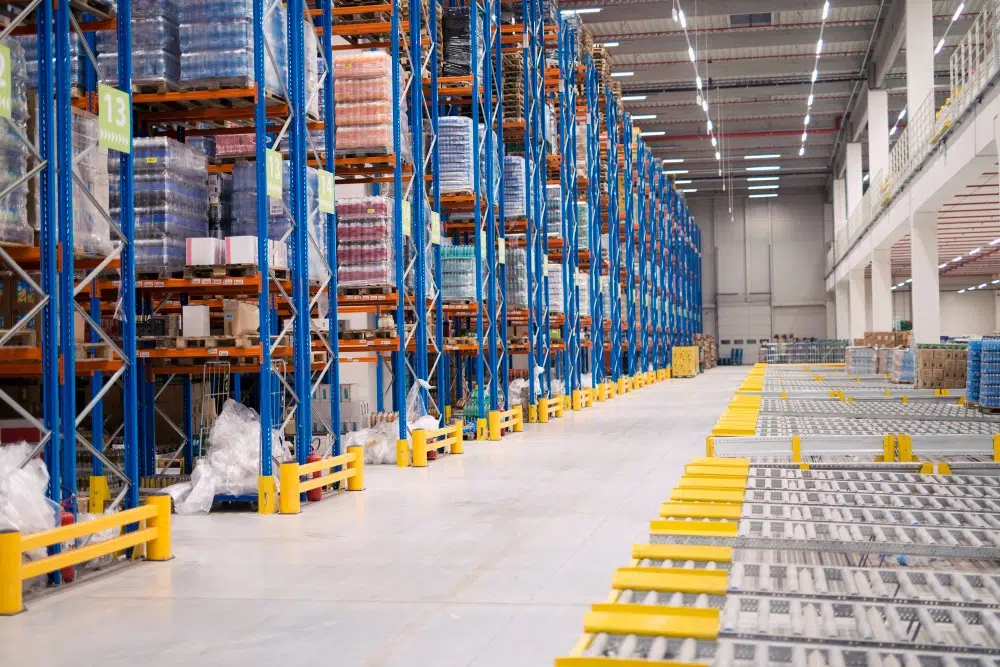
Temperature and Humidity Effects on Warehouse WiFi
Your warehouse WiFi worked fine last season. Now scanners hesitate, tablets drop in certain aisles, and cameras buffer at the worst times. If that sounds familiar, environmental factors warehouse wifi may be the missing piece. In real facilities, warehouse conditions wireless performance can change with weather, HVAC cycles, and moisture. In addition, the climate impact wifi can show up as “random” issues that are actually predictable once you know what to look for.
This article explains how temperature and humidity affect warehouse WiFi, what problems they cause, and how to design and maintain a network that stays stable year-round.
Environmental factors warehouse WiFi: what actually changes in the air and building
WiFi is radio energy. Temperature and humidity do not usually “block” WiFi the way metal does. However, warehouse climate changes can affect the environment around the WiFi in ways that matter a lot.
Warehouse conditions wireless: direct vs indirect impacts
Think of climate effects in two buckets:
- Direct RF effects: small changes in signal behavior due to air density and moisture
- Indirect operational effects: much larger impacts from condensation, equipment heat, corrosion, and physical changes in the space
In most warehouses, indirect effects are the real problem. Therefore, you should design for equipment survival and consistency, not just signal strength.
Expert Insight: When a warehouse “WiFi problem” appears during humid mornings or hot afternoons, it’s often not the RF magically changing. It’s condensation on connectors, marginal cabling, overheating switches, or APs throttling under heat.
Climate impact WiFi: how temperature affects warehouse wireless reliability
Temperature swings can stress network equipment and cabling. In addition, heat can change how electronics behave, especially if they are installed in poor locations.
Environmental factors warehouse WiFi: overheating and thermal throttling
Access points, switches, and gateways generate heat. If they are mounted near the ceiling in a high-bay building, they may sit in the hottest air layer.
What overheating can look like:
-
- APs randomly rebooting during peak heat hours
- Clients disconnecting and reconnecting repeatedly
- Performance drops that recover later without changes
- PoE ports shutting down or power cycling
Real-world scenario: A warehouse mounts APs above racking near the roof deck. In summer, the ceiling area runs much hotter than the floor. The APs stay online, but they reduce transmit power or CPU performance to protect themselves. Users report “slow WiFi” only in the afternoon.
Warehouse conditions wireless: cold storage and freezer environments
Cold rooms and freezers introduce a different set of risks. The WiFi signal can still work, but the equipment and cabling must be appropriate.
Common cold-related issues:
- Condensation when warm air meets cold surfaces
- Brittle cable jackets and cracked insulation over time
- Moisture intrusion into connectors and enclosures
- Ice buildup near doorways affecting mounting and cable routing
Best practice: treat cold storage as a special zone. Use proper enclosures, sealed penetrations, and a design that accounts for door cycles and staging areas.
Warehouse conditions wireless: how humidity creates “mystery” WiFi problems
Humidity is one of the most misunderstood environmental factors in warehouse WiFi. High humidity alone rarely kills signal. However, humidity plus temperature changes can create condensation, and condensation can create failures.
Climate impact WiFi: condensation on connectors and cabling
Condensation forms when warm, moist air hits cooler surfaces. In warehouses, this often happens:
- Near dock doors during morning temperature swings
- In cold storage transitions (freezer to ambient staging)
- In buildings with uneven HVAC or poor airflow
- On metal conduits, junction boxes, and patch panels
What it causes:
- Intermittent packet loss (hard to trace)
- Corrosion on RJ45 terminations and patch panels
- PoE instability (power negotiation issues)
- APs that “flap” between online/offline states
Environmental factors warehouse WiFi: corrosion and long-term degradation
Even if the network works today, humidity can shorten the life of connectors and electronics. Over months, you may see:
- Rising error rates on switch ports
- More “bad cable” events after storms or seasonal changes
- Random drops that disappear after re-terminating a cable
Common Mistakes: Humidity-related WiFi failures that get misdiagnosed
1) Blaming the ISP. Condensation and corrosion cause local drops that look like “internet issues.”
2) Replacing APs repeatedly. If the root cause is cabling or moisture in a junction box, new APs won’t fix it.
3) Ignoring dock door zones. These areas see the biggest temperature and humidity swings, so they need extra attention.
Environmental factors warehouse WiFi: what changes in high-bay air layers
High-bay warehouses often have stratified air. That means the ceiling can be much hotter than the floor, especially in summer.
Warehouse conditions wireless: why ceiling-mounted APs can behave differently
Ceiling mounting is common for protection and coverage. However, it can create climate-related issues:
- APs sit in the hottest zone, increasing thermal stress
- Dust and particulate accumulate faster near roof structures
- Maintenance becomes harder, so small problems last longer
Practical approach: if you must mount high, ensure the equipment is rated appropriately and validate performance during the hottest part of the day.
Climate impact WiFi: dust, airflow, and HVAC cycling (the “silent” environmental factors)
Temperature and humidity usually come with other warehouse realities: dust, airflow changes, and HVAC cycling. These can affect WiFi equipment health and consistency.
Environmental factors warehouse WiFi: dust buildup and heat retention
Dust acts like insulation. It traps heat and can clog vents in switches and enclosures.
Signs dust is contributing to WiFi instability:
- Equipment failures that increase in summer
- Fans running constantly or sounding louder than normal
- Switch closets that feel noticeably warmer over time
Warehouse conditions wireless: HVAC cycling and “peak shift” heat
Warehouses often heat up during peak shifts due to people, forklifts, chargers, and lighting. If HVAC is inconsistent, you can get repeated thermal stress cycles.
Therefore, it’s smart to monitor temperatures in network closets and high-mounted equipment zones.
Tips: Quick checks for climate impact WiFi issues
- Compare drop reports to time of day (morning humidity vs afternoon heat).
- Inspect dock door APs and junction boxes for moisture or corrosion.
- Measure temperature in network closets and near high-mounted AP locations.
Wireless planning vs deployment: designing for environmental factors warehouse WiFi
Climate resilience starts in planning. The goal is to reduce points of failure and make environmental stress less likely to cause downtime.
Environmental factors warehouse WiFi: placement and enclosure best practices
- Keep critical switching in conditioned spaces when possible
- Avoid mounting equipment directly above heat sources or near roof hot spots
- Use appropriate enclosures in humid, dusty, or cold zones
- Seal penetrations and protect terminations from moisture intrusion
Warehouse conditions wireless: cabling and termination quality
In climate-stressed environments, cabling quality matters more. Poor terminations can work “most of the time” until humidity or temperature swings push them over the edge.
Best practices:
- Use structured cabling methods aligned with ANSI/TIA guidance
- Label and document runs so failures can be isolated quickly
- Test and certify critical runs, especially in high-risk zones
- Use proper cable types for the environment (cold-rated, plenum, etc.)
Climate impact WiFi: power and PoE stability
PoE problems often show up as “WiFi drops.” Heat and humidity can expose weak links in power delivery.
- Confirm switch PoE budget supports peak draw
- Use quality patch cables and protected terminations
- Monitor for port flaps and power events
Internal linking opportunities (anchor text only): warehouse WiFi site survey checklist, structured cabling certification testing, PoE switch sizing guide, warehouse access point placement, VLAN segmentation for warehouses.
How to troubleshoot environmental factors warehouse WiFi (step-by-step)
If you suspect temperature or humidity is involved, you need a repeatable troubleshooting process. Otherwise, you’ll chase symptoms.
Correlate issues with climate patterns
- Do drops happen at the same time each day?
- Do issues spike after rain, storms, or foggy mornings?
- Are problems concentrated near docks, freezers, or exterior walls?
Inspect physical infrastructure in problem zones
- Check enclosures, junction boxes, and patch panels for moisture
- Look for corrosion on terminations and patch cords
- Verify cable pathways are not exposed to water intrusion
Check equipment health and logs
- Look for AP reboots, disconnect patterns, and PoE events
- Review switch port errors and link flaps
- Confirm firmware is stable and changes are controlled
Validate with real devices under real conditions
- Test scanners and tablets during the time window when issues occur
- Walk roaming paths near docks and staging
- Measure retry rates and channel utilization
Expert Insight: If you only test after hours in a cool, quiet warehouse, you can “prove” the WiFi is fine while users still struggle during hot, humid peak shifts. Always test in the same conditions where the problem happens.
FAQ: Temperature and humidity effects on warehouse WiFi
Does humidity weaken WiFi signal in a warehouse?
High humidity can slightly affect RF behavior, but in most warehouses the bigger issue is condensation and moisture intrusion. Moisture can cause corrosion, PoE instability, and intermittent cabling problems that look like WiFi drops.
Can heat cause warehouse WiFi to slow down?
Yes. Heat can lead to equipment overheating or thermal throttling, especially for APs mounted high near the ceiling or switches in poorly ventilated closets. This can cause reboots, disconnects, or reduced performance during hot hours.
Why do WiFi problems happen near dock doors?
Dock doors create strong temperature and humidity swings. Warm moist air meeting cooler surfaces can cause condensation on connectors and enclosures. In addition, doors can change RF behavior and introduce outside interference.
How do I protect warehouse WiFi equipment in cold storage?
Use appropriate enclosures, sealed penetrations, and environment-rated cabling. Plan for condensation at transition zones and validate coverage during normal door cycles and staging activity.
What is the best way to confirm climate impact WiFi issues?
Correlate disconnects with time-of-day and weather patterns, inspect physical infrastructure for moisture or corrosion, review logs for reboots and PoE events, and test with real devices during the same conditions when failures occur.
Conclusion: build warehouse WiFi that survives real conditions
Temperature and humidity rarely “kill WiFi” directly. However, they expose weak links in equipment placement, cabling, enclosures, and power delivery. If you design and maintain the network with environmental factors warehouse wifi in mind, you can reduce downtime and avoid the frustrating cycle of “it works sometimes.”
Start by identifying your highest-risk zones, especially docks, high-bay ceilings, and cold storage transitions. Then validate performance during real conditions, not just ideal test windows.
Want Warehouse WiFi That Stays Stable Through Heat and Humidity?
We can help you assess environmental risk zones, validate performance under real conditions, and design a WiFi plan that holds up year-round.
Call: 833-469-6373 or 516-606-3774
Text: 516-606-3774 or 772-200-2600
Email: hello@unifinerds.com | Visit: unifinerds.com
Free consultations • Phased implementation • Budget-friendly • Expert support